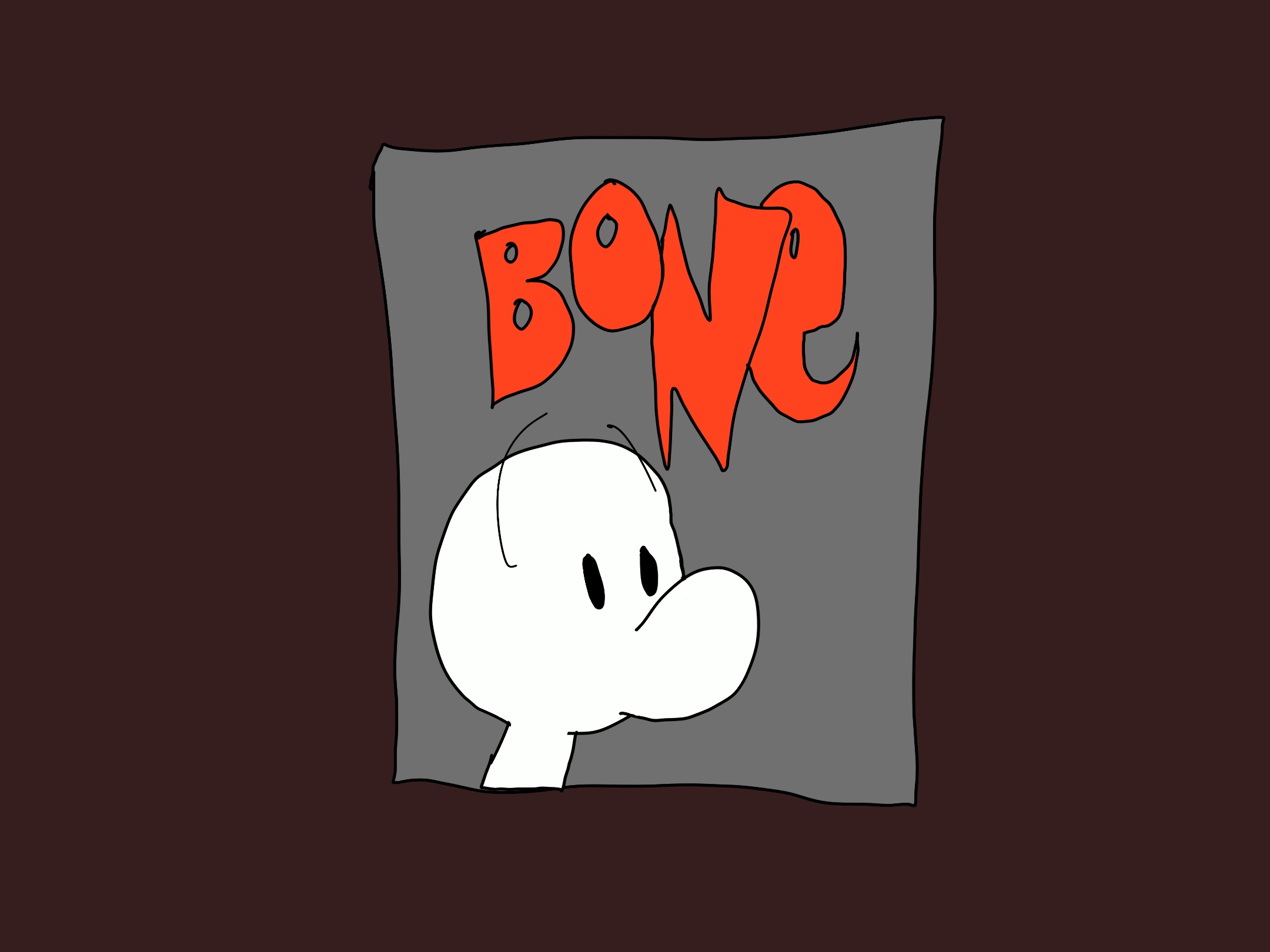
Book Review: Bone

Bone, by Jeff Smith

Do comics count as books? Yes. Stop asking stupid questions. 

Jeff Smith’s Bone was an icon of black-and-white indie comics of the 1990s that has since become a best-selling beast thanks to colorful collected re-issues offered by the Scholastic Book Fair people. It’s more popular now than ever. The common review is “Lord of the Rings meets Duck Tales” and that’s pretty much the best way to describe it. It’s adorable. It’s funny. It’s scary. It’s exciting. It’s epic. It’s wacky. 

When I first saw it on comic stands back in the day, I thought the title was Bove. The font makes the N look like a V. And even now that I know it’s Bone, I still sometimes think it’s Bove. Anyone else have this happen? Just me? Cool!

I read a bunch of issues in the 90s, but I read the complete series for the first time this year and enjoyed it quite a bit. That said, the story does run out of steam around the halfway point. The first half is perfect and the second half gets bogged down in dream prophecy nonsense. But, I probably dislike the second half only because the first half is so damn perfect. 

The Bones are a loveable group of three cousins who are on the run and wind up in a quaint little fantasy town. Then the rat creatures attack. There are dragons. There’s a princess. There’s a cow race. And it’s all told with beautiful illustrations. Even when all the silly lore and prophecy gets dull, the art is still stunning. 

This is a great book for all-ages and it’s more creative and fun than any Disney live-action remake crap they’re plopping into theaters these days.

Speaking of kids, help me raise money for Reading is Fundamental and give kids the power of reading! Click here to donate.
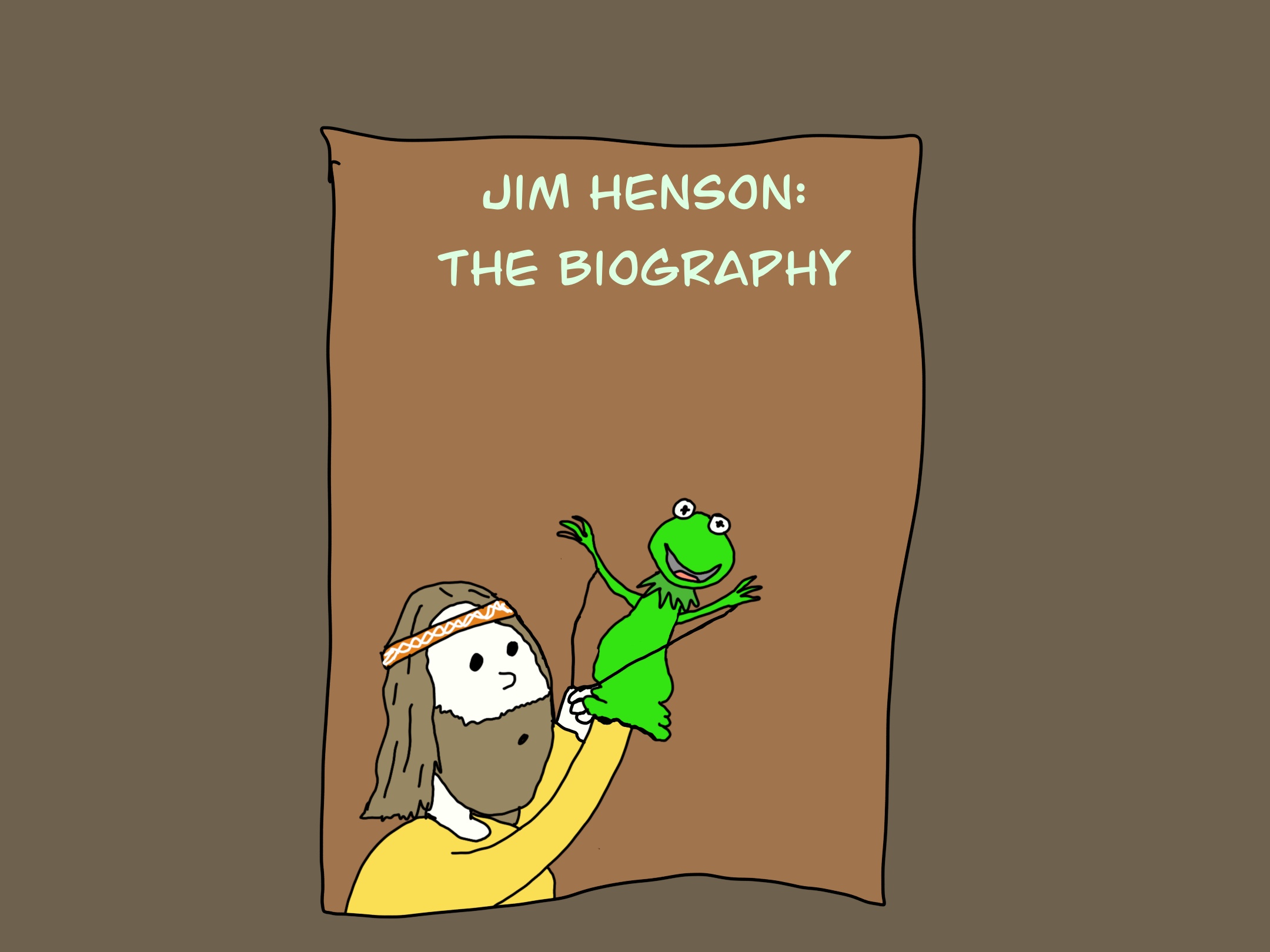
Book Review: Jim Henson – The Biography

Jim Henson: The Biography by Brian Jay Jones

You have to be a cold-hearted, vile, wretched person to hate Muppets. They are pure whimsy! We all grew up with Muppets in some shape or form …Sesame Street, The Muppet Show, the Muppet movies, Muppet Babies, the viral YouTube songs, Muppet illustrations on tabs of LSD, Muppet Happy Meal toys, etc.  

Muppet mastermind Jim Henson’s life story makes for a fascinating read. From starting at the most local level imaginable, to becoming part of the Disney Empire, Henson’s creative journey is inspiring. One thing that stuck out while reading this biography was how Henson often tried to move away from puppets at certain points in his career. He thought of creating nightclubs, he made abstract art films, and worked on numerous projects well outside the “Wacka-wacka” nuttiness of his most famous creations. But The Muppets are what America wanted…and that’s what we got. 

There isn’t a lot of scandal in this life story, but there is plenty of drama regarding creative control and the entertainment business. And by the end, I was sobbing, something I rarely do when reading books. If you like Muppets, I highly recommend this book. If you don’t like Muppets, I recommend going back to your job in which you probably tell sheriffs that they need to open the beach despite recent shark attacks. 

Why am I’m reviewing books every day? Because I want to! Shut up! I can do what I want! Also, I want to help raise money for Reading is Fundamental. Click here to donate!

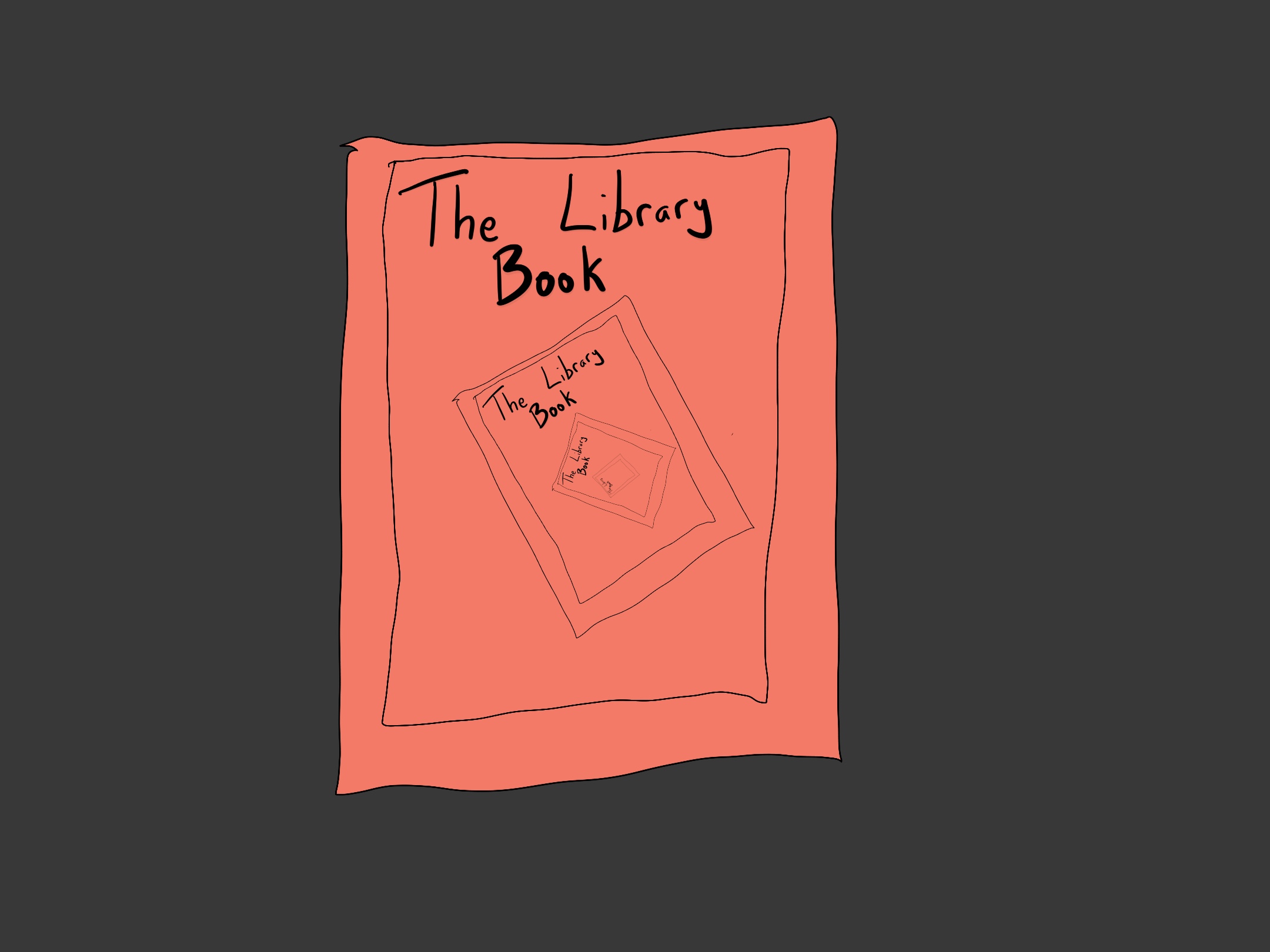
Book Review: The Library Book

The Library Book, by Susan Orlean

A book called The Library Book that I got from the library is a real Inception-level meta-narrative. I love the local library. The first thing I did when I moved was get a new library card even before I got curtains! 

“Libraries are more important than curtains.” – Dan Bergstein

The Library Book by Susan Orlean is a history of libraries and stories about libraries, with a focus on the Los Angeles Public Library and a fire that nearly wiped it out in 1986. Orlean’s style is free-flowing, meaning it’s not a typical non-fiction book but more a long, rambling essay about all things library. I liked it a lot! 

Reading it will make you want to read more books, and if you are someone who hates libraries, this might change your mind on what a library can do for the community. 

Right now, libraries are getting attacked for bizarre socio-political reasons. It’s nuts. Attacking libraries is like attacking fire hydrants. 

“Fire hydrants are taking up our parking spaces!”

“Fire hydrants make things wet!”

“Fire hydrants taste like dog pee!”

Calm down! Fire hydrants are not hurting anyone. In fact, they’re saving people in need. 

Anyway, this book is good, and so are libraries. 

You know what else is good? Improving America’s declining literacy rates by supporting my Reading is Fundamental campaign! Click here to donate! Thank you!!!

Book Review: Great Expectations

Great Expectations, by Charles Dickens

Happy Dickens Tuesday! And this one was not what I…EXPECTED!!! [laughs into his laptop]

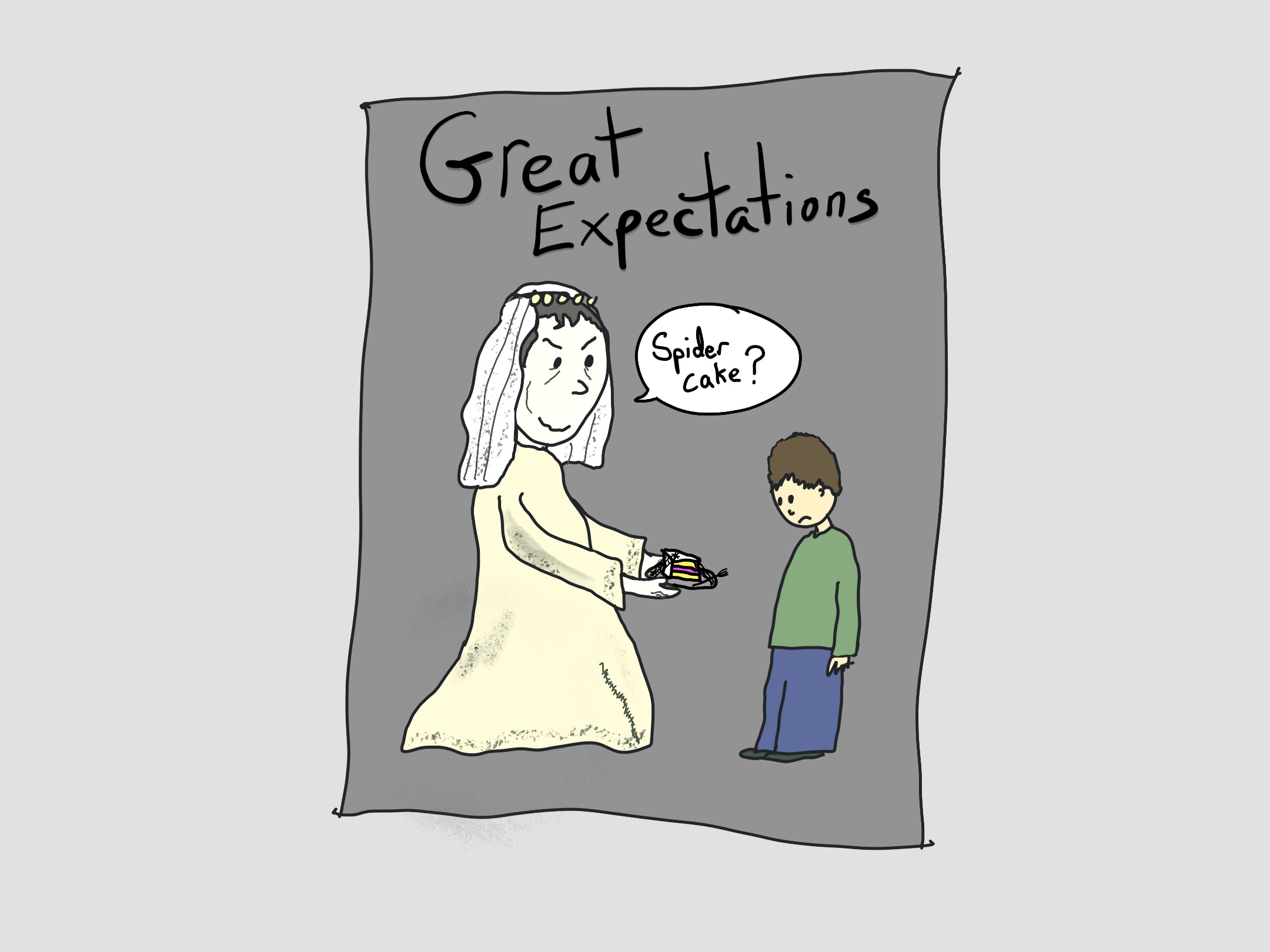
Great Expectations is another heavy hitter in the Dickens library. While it wasn’t required reading for me in school, it seems like this book, like A Tale of Two Cities, was often shoved into the eyes of teenagers. That’s a shame, because forcing kids to read this is the worst way to approach it. Instead, you should tell teens, “Do not read Great Expectations! It’s scary and weird and it’s about this nutty lady who wears a wedding dress every day and has a moldy cake filled with spiders. Stay away from this book!”

And then every kid would eat this up like delicious moldy spider cake! 

The story is about Pip, a poor kid who dreams of being accepted into high society. Through a series of Dickensian events, he winds up visiting the creepy Miss Havisham. In terms of iconic, memorable, unique literary characters, Havisham ranks right up with Hamlet, Atticus Finch, Holden Caulfield and Sonic the Hedgehog. She’s insane, mean, wealthy and gross. She might be old, but it’s hard to pinpoint her age. Also, “old” in Victorian England was probably 30. 

So Pip, the poor kid, falls in love with Estella who also hangs out with Havisham in the spooky old house. Havisham schemes to make Pip fall in love with Estella so that Estella will break his heart. I’m simplifying it here because there’s a lot more to the story but the essence is: Pip wants to be classy and Havisham wants revenge on all mankind for past injustices. 

While on the surface this sounds like a tragic love story, it’s more of a gothic horror. That was a big surprise to me. I thought I was getting into lovey-dovey romance, and then there’s cake spiders! I loved it, even if it’s not what I…EXPECTED!!! [laughs towards his ceiling]

There are no jump scares, but the descriptions of the decaying Havisham and her rotting house are the stuff of Tim Burton nightmares. That said, it’s not the scariest or best Dickens work I’ll cover. Hint: Humbug. 

There’s still a few weeks left to donate to my Reading is Fundamental campaign! Every donation, even a few bucks, will help improve literacy in America. Click here to donate!

Book Review: Red Mars

Red Mars, by Kim Stanely Robinson

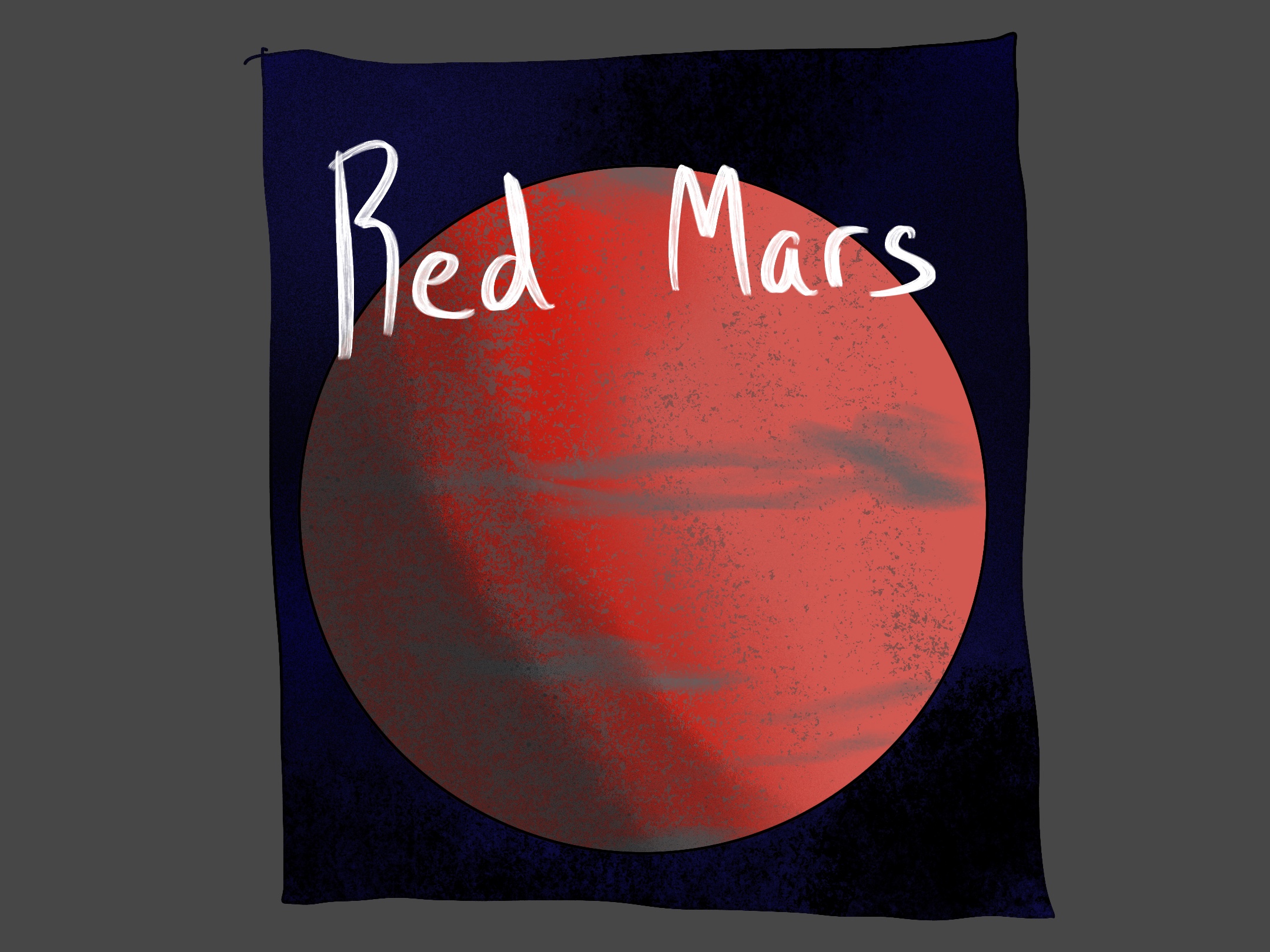
If Star Wars is a fairy tale, this is a car manual. I mean that in a good way. 

The story follows a big group of scientists as they venture to the red planet and start the difficult process of making it a home for humans. There is a lot of science stuff jammed into this novel that may be boring if you’re not a fan of tech-talk. But there are enough human characters and human drama that help make the tech-talk engaging. And the tech-talk doesn’t sound like the Star Trek gibberish, but actual, real-ish science that could (maybe) really work. 

What I liked most about the book is its somewhat hopeful respect for science. Science seems to solve all the problems. Need to heat up the Martian atmosphere? Use little windmill things. Problem solved! Need to build a giant space elevator? Just set up a fancy 3D printer on an asteroid that eats rocks and spits out usable materials in a long chain. Boom. Solved. 

Speaking of space elevators, there is a scene involving a space elevator disaster that blew my mind in terms of scope. I won’t spoil it, but this book does a great job of explaining the vast size of these science machines. 

Colonizing Mars seems like a real possibility in this book. And if we colonize Mars, then we can colonize the moons of Jupiter, distant planets and, eventually, Narnia. 

I’m reviewing books every day to raise money for Reading is Fundamental. Click here to donate!

Book Review: Wolf in White Van

Wolf in White Van, by John Darnielle

John Darnielle is best known for being the lead singer/songwriter for The Mountain Goats, a band I like quite a bit due in large part to the lyrics. Naturally, when I heard the person who writes cool songs also wrote a book, I was eager to check it out. I didn’t know what I was getting into. 

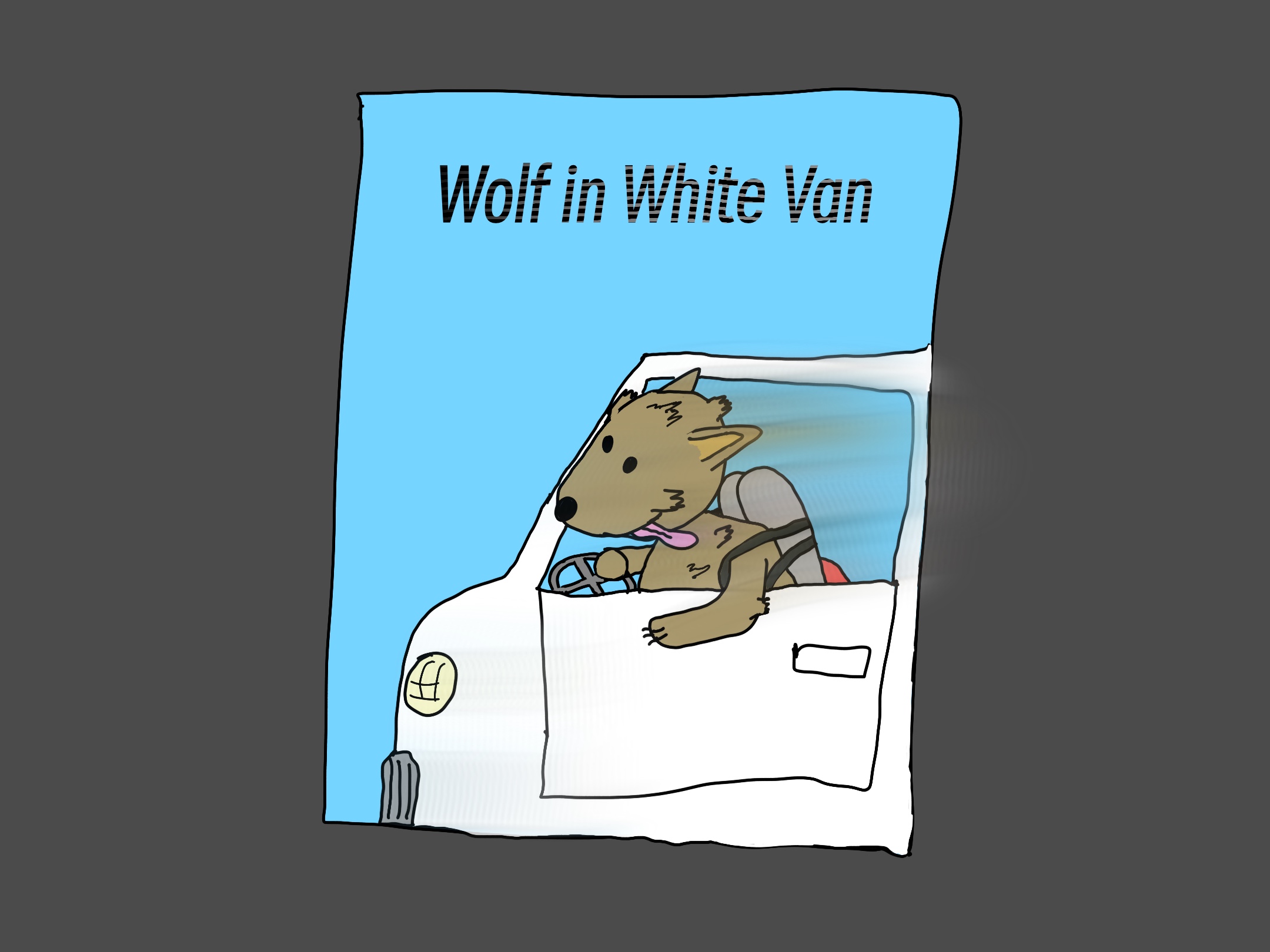
Wolf in White Van is a sad story about a sad young man, and usually I don’t go for the sad-sack stories. But I liked this. It’s told in fragments. The plot meanders. And there isn’t much in the sense of traditional resolution. Despite my illustration, there are no wolves (or jetpacks) in this story. That’s okay. Maybe. 

The main character is disfigured and feels isolated. He has created a role playing game in which he sends note cards to players via the mail with actions and story bits, and the players respond via the mail with their actions. 

There’s something comforting about that style of play. I’ve never played a pen-and-paper RPG, but I’ve always wanted to try it. And this version, which requires the postal service’s glacial pace, seems like it’d be my kind of game. 

In the story, the game doesn’t go so well for a few players and the main character must deal with the consequences. There’s more going on, but I’ll avoid spoilers.

Wolf in White Van is uncomfortable at times and the subject matter gets very dark. I wouldn’t recommend this if you’re feeling down. But if you want to read an interesting book about loneliness, or you’re sick and tired of feeling good about life, this is a good one. 

I’m reviewing books through the end of December to raise money for Reading is Fundamental. Click here to donate!

Book Review: It’s Superman

It’s Superman, by Tom De Haven

This book isn’t a few things.

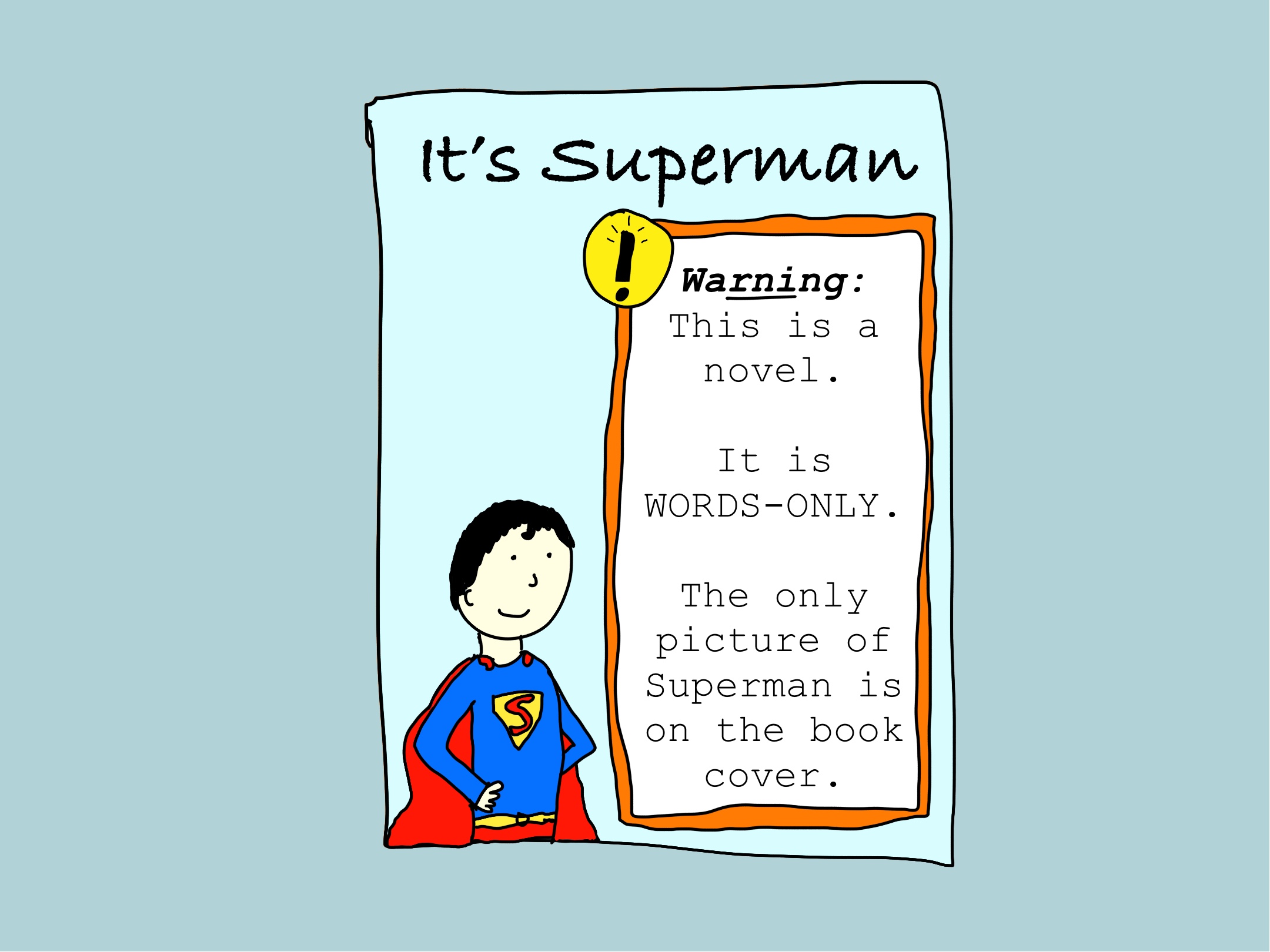
This isn’t a comic book. It’s a book book. No pictures. No speech bubbles. No problem! 

This isn’t a non-fiction history of the hero. It’s a novel — a genuine, wordy-word book about make-believe people.

And most important, this isn’t bad.

The book is a more realistic, depression-era version of the iconic hero. The story follows Clark Kent as he moves out of Smallville, gets a job at the Daily Planet, meets Lois Lane and fights Lex Luthor. Sound familiar? 

The book doesn’t stray far from the source, but when it’s told in novel-form, it feels fresh and new. This book doesn’t read like a big blockbuster movie, but feels more like a low-key Coen Brothers film that also includes some action. 

I read this a long time ago, when the thought of a new Superman movie was met with eyerolls and shrugs. But I loved the recent James Gunn movie, which added much needed fun and wackiness to the story. Superman’s back, baby! This book doesn’t include much wackiness, but it’s also not stuck in a dark “I wish I was Batman” mopey tone. It’s its own thing, and I appreciate that. 

Would this approach work for other superheroes? Sure! In fact, this would work best for the wilder, sillier heroes – characters like Plastic Man or Speedball that are goofy on the comic book page, and would be tough to pull off in a feature film, but would benefit from a novel treatment and the theater of the mind. I wouldn’t want to see the film, but I would read a 500-page novel about Matter Eater Lad.

Do you like to read? Do you think reading is important to our culture and species? Donate to my Reading is Fundamental campaign and help improve America’s sluggish, awful, no good, very bad literacy rates. Click her to donate!

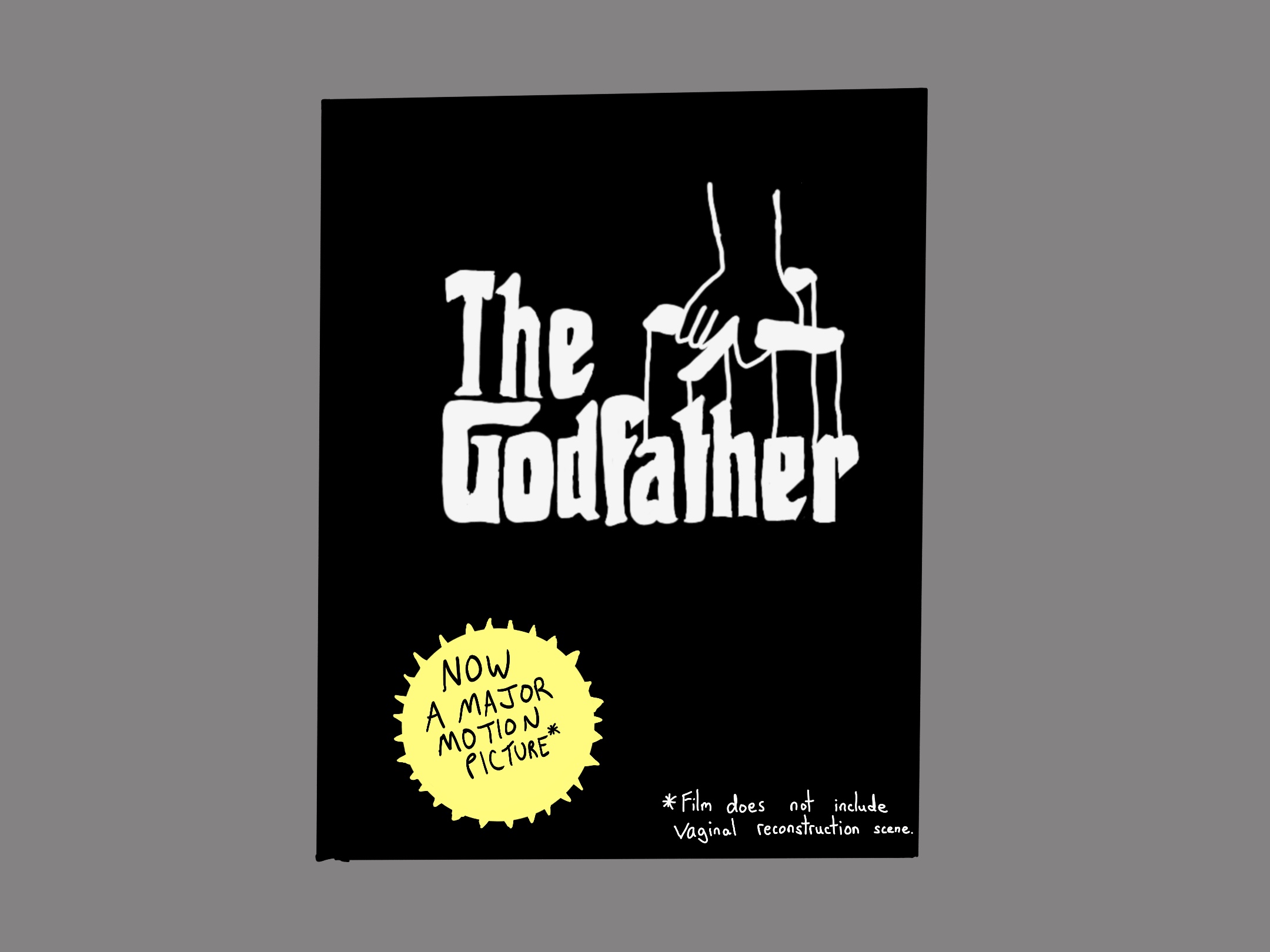
Book Review: The Godfather

The Godfather, by Mario Puzo 

Here is one of the best examples of the movie being better than the book. The book isn’t bad, but it reads like a typical melodramatic best-seller. The movie takes that story and turns it into true American art. 

There are some differences between the book and the movie. For one, the book includes Vito’s backstory. The movie didn’t have time for that, so the flashback sections would later be used in the sequel, The Godfather: Part II. But the biggest difference is that the book contains a subplot about vaginal reconstructive surgery. This is not a joke. I’m not being silly. 

Why did the movie omit the vaginal reconstructive surgery? Maybe it’s because audiences were not yet ready for open and frank discussions about vaginal reconstructive surgery. Or, maybe filmmaker Francis Ford Coppola thought an epic story about an American crime family didn’t need a random section in which a third-tier character has her vagina reconstructed surgically. For those who have not yet read the book, the subplot about vaginal reconstructive surgery involves one of Sonny’s mistresses, Lucy. (She’s in the opening of the movie, but then disappears from the cinematic story until she appears briefly in Part III as Vincent’s mom.) Sonny is known to have a large penis, which works well for Lucy who seemingly has a large vagina. However, when she’s no longer with Sonny, her vagina is too large. Normal men can’t satisfy her. Thus, she seeks vaginal reconstructive surgery. And then she has satisfying sex with the doctor who assists with the surgery. 

Where would you put this happy ending in the movie? I assume during the tense baptism scene in which Michael wraps up all the family business there could be a section in the montage of Lucy looking at the camera and saying, “My vagina is now normal-sized.” Cinema! 

When you love a movie and see it multiple times and know it by heart, it’s strange to read the book and come across something like his. It’s a bit like finding out the original sketch for the Mona Lisa included a speech bubble in which Mona states, “My vagina is the normal amount.” 

I am sorry if I spoiled the vaginal reconstructive surgery part of this book. But, honestly, if I have to know all this, it’s only fair that you do too. 

Why did I just post this review? To raise money for Reading is Fundamental! Click here to donate!

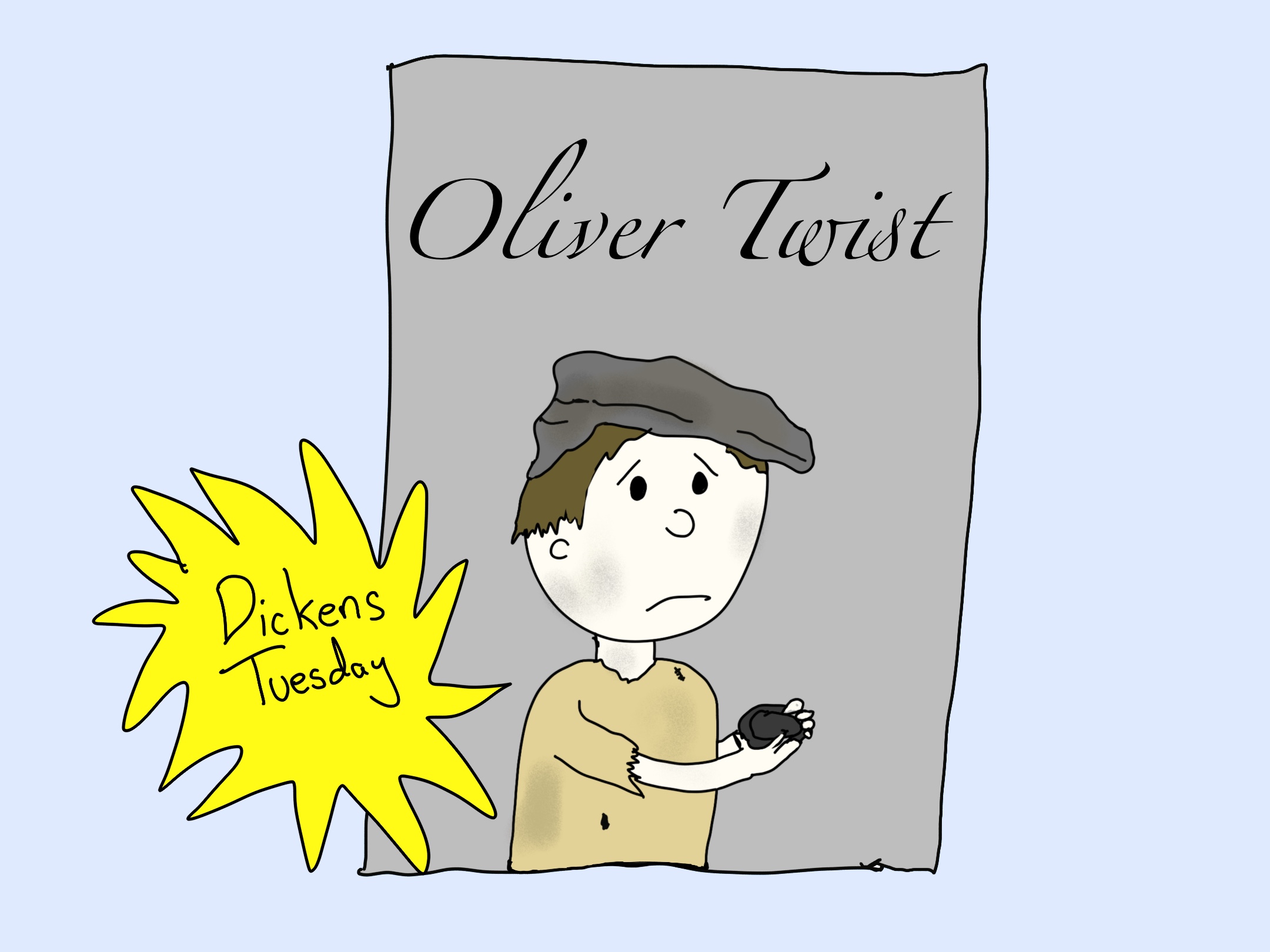
Book Review: Oliver Twist

Oliver Twist, by Charles Dickens

It’s Giving Tuesday and it’s Dickens Tuesday! 

If you’re looking for a great charity to support this holiday season, I recommend clicking on the link at the end of this book review and checking out my Reading is Fundamental page! 

And if you want to learn my thoughts on silly orphan kids, read on….

Here’s why Oliver Twist isn’t my favorite Dickens book:

First, the lack of super powers. This is the rare book about an orphan in which the orphan doesn’t get super powers, or wishes, or, like, some shoes that let you communicate with bees…or something. Their existence is not prophesied. They don’t have a mysterious connection to ancient alien races. Nope. He’s just a kid without parents. His super power is poverty. 

The second reason I didn’t love this is the ol’ fashioned anti-semetism. The main antagonist, Fagen, is a jewish caricature, and is often called The Jew in the book. I’m half-Jewish but it takes a lot to offend me. I was never clutching my pearls in disgust while reading this, but you come along some lines in this book and…well.. it’s not cool that this villain is so closely associated with that specific religion/culture. 

That said, Dickens didn’t think he was being anti-semtic when he wrote it. In fact, the legend goes that as the serialized chapters were being published, a friend took him aside and said, “Charley, my dude! This is really offensive!” And Charles was shocked and sad and felt bad.

He revised the story and softened the language as the book went along. So…yay? I guess? 

It still isn’t cool, my dude. 

But perhaps the biggest reason this book didn’t connect with me is that the titular Oliver doesn’t do a lot. A lot of things happen, sure, but Ollie does nothing – things just happen to him. Granted, he’s a kid and so it makes sense that he’s not running around making big choices and taking great agency with his life (something David Copperfield is better at, IMHO). So you have a story about a poor orphan (sans magic shoes) in which the supporting (culturally insensitive) characters are really the stars of the show. 

I didn’t hate the book. I’m glad I read it. But it’s not my favorite Dickens work.

If you haven’t read it, but really want to read Dickens’ take on kids who don’t have parents, I’d recommend picking up Copperfield or Bleak House or Great Expectations instead. 

I just really wish he had magic shoes…

Speaking of magic, you can help spread the magic of literacy by supporting Reading is Fundamental! Click here for more information! Thank you! 

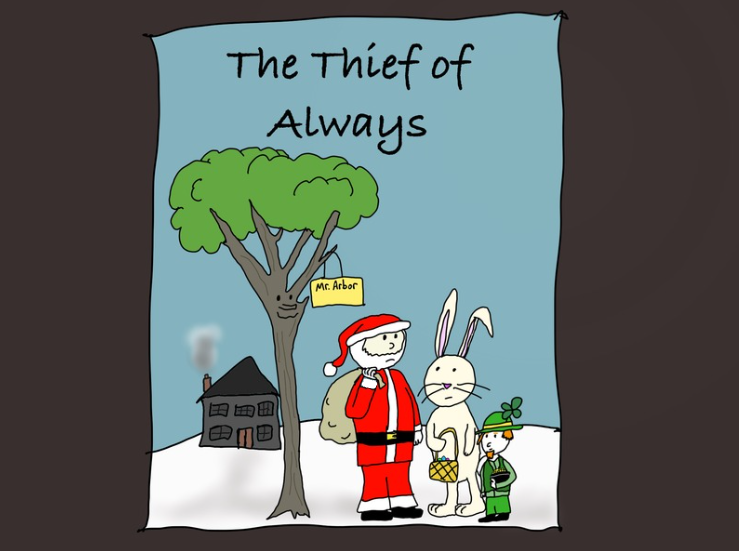
Book Review: The Thief of Always

The Thief of Always, by Clive Barker 

Happy December! I’m kicking off this month of book reviews with a kinda-sorta Christmas story.

The Thief of Always came out in the early 90s, just a few years before the huge YA book boom. Did it pave the way for Harry Potter and the Hunger Games and (sigh) Twilight? No. Not really. But if it came out just a few years later, I imagine this would have been a much bigger, more popular book. Cool people know about this book, but there are a lot who have never heard of it. If you’re one of those total idiot losers who didn’t know about The Thief of Always until this very paragraph, you’re welcome. I just changed your entire life. 

The book tells the story of a kid who is invited to a magical mysterious house that experiences all four seasons of the year every day. So every day you get Christmas, you get Halloween, you get a birthday, you get Arbor Day….what could go wrong? Hint: A lot.

Clive Barker is most known for his mature (sometimes x-rated) horror stories. The guy writes some very disturbing fiction, but he reigns all the gore and sex in for this family-friendly story. It would be like finding out the director of The Human Centipede also also wrote an episode of Gilmore Girls. (He didn’t.) 

I loved this when I read it in middle school, and still enjoyed it decades later when I reread it. While not strictly about Christmas, if we consider Die Hard a Christmas Movie (because it is!), then this is a Christmas book. That’s just science. Because it has Christmas in it, this is a Christmas sentence, even if it also contains spiders and an Easter walrus. See how that works?

This is the final month of my Reading is Fundamental fundraising campaign! Click here to donate! Thank you!!!